
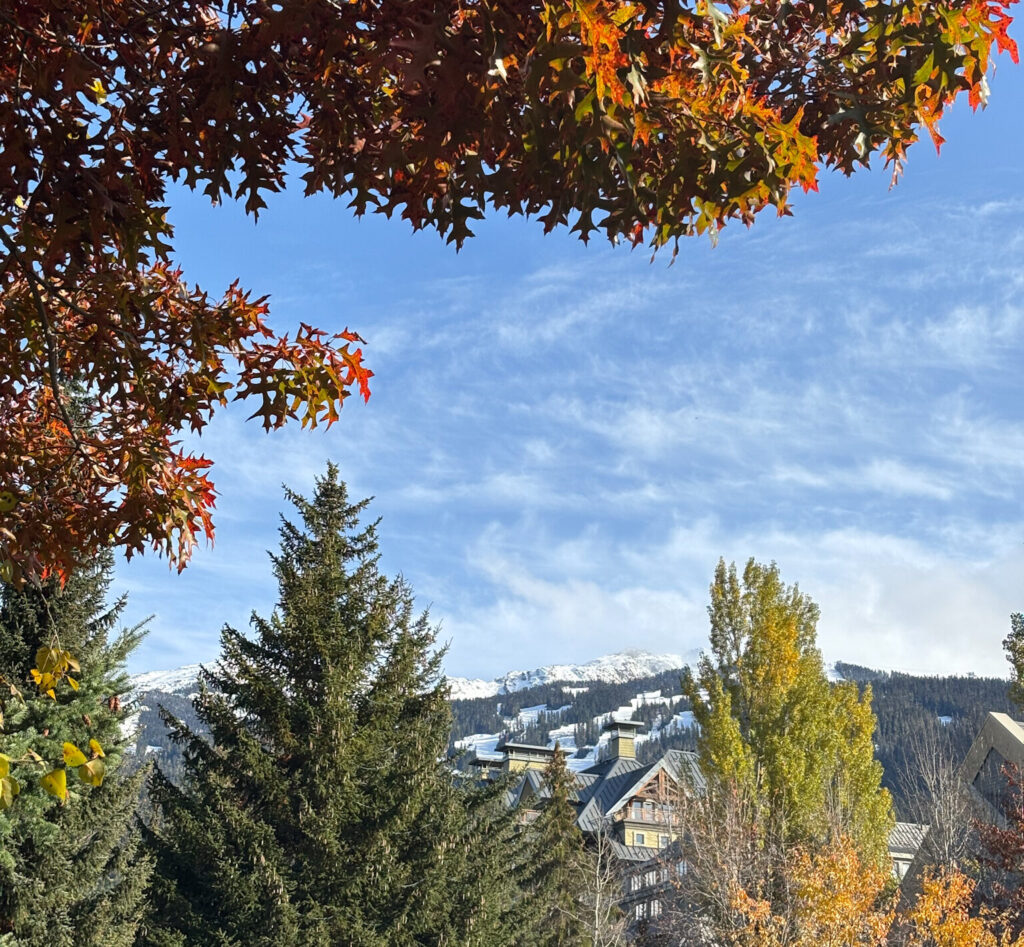
Every winter, thousands of people head to Whistler dreaming of powder days, mountain views, and making friends from around the world. But what is it actually like to live and work there?
After spending six months living in Whistler during my Canadian working holiday, I experienced everything from staff housing and busy hotel shifts to learning how to snowboard and finding a community that quickly felt like home. If you’re considering a season in Whistler, here’s everything I wish I’d known before moving there.
Why I Moved to Whistler
After spending my first year and a half split between Banff and Tofino, I knew I wanted one more winter in a Canadian ski town before heading home. Whistler had been on my bucket list before I even left New Zealand. Home to one of Canada’s biggest ski resorts, I couldn’t stop imagining what it would be like to live right at the base of the mountains and spend my days surrounded by snow.
Luckily, everything fell into place. I secured a job with staff housing in Whistler Village, packed my bags once again, and headed to the place I’d dreamed about for so long.
Getting to Whistler
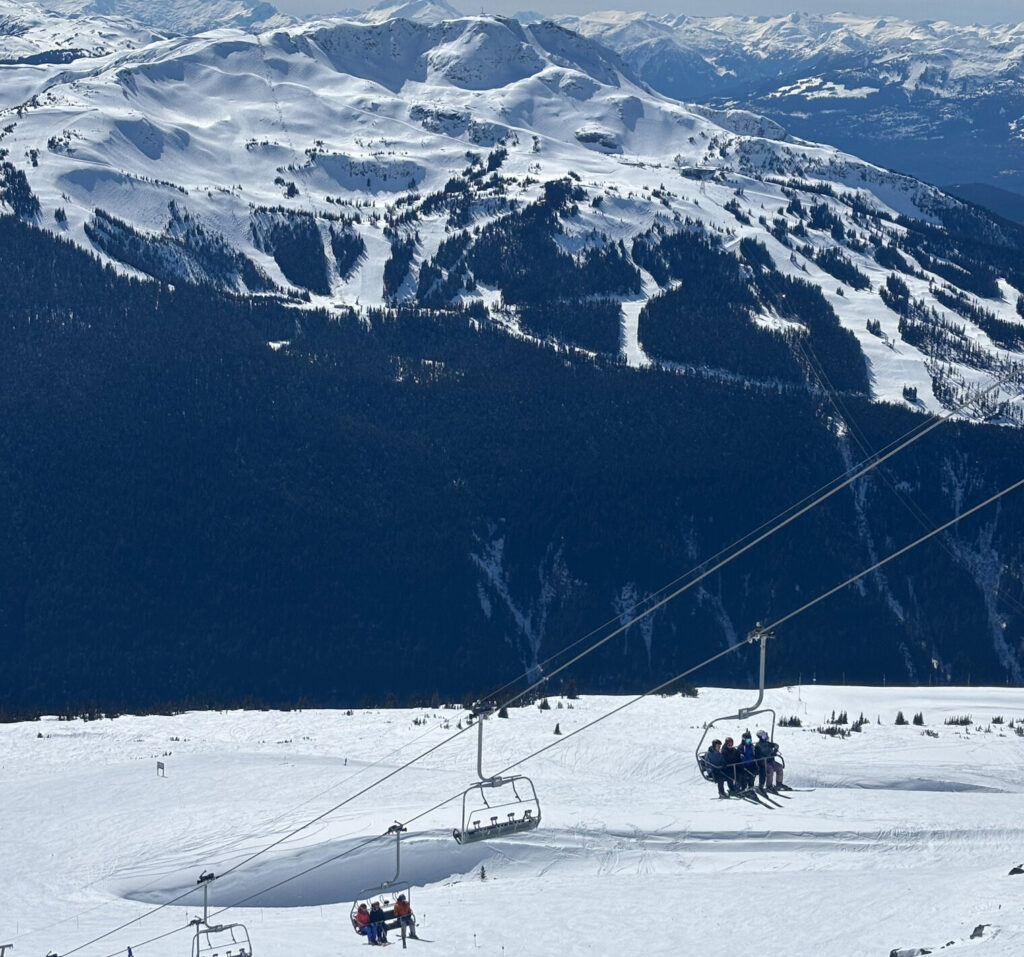
The easiest and most convenient way to get here is to fly into Vancouver International Airport and catch either a Skylynx bus directly from the airport to Whistler Village, or Epic Rides who depart from the Vancouver CBD. If you have your own car you can also drive along the Sea to Sky Highway yourself – prepare for the most incredible views being surrounded by mountain ranges and the ocean.
The journey takes just under 2 hours driving from the airport if by car, usually bus times are similar unless they are picking up in the CBD or if there is traffic.
Housing in Whistler
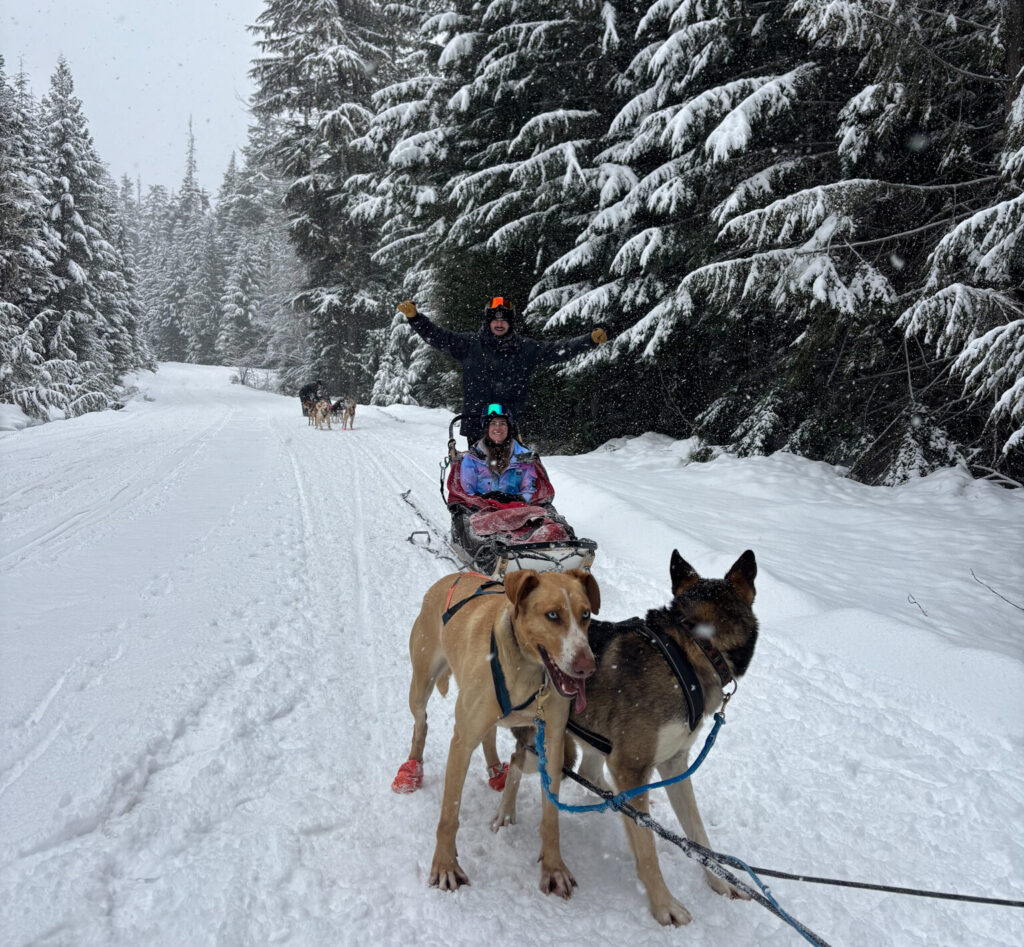
Unlike Banff, you can live in Whistler even if you don’t work here. Lucky for me I could do both and managed to score staff housing with my job.
It is incredibly difficult to find housing if it isn’t an option with your job. So if you can’t get staff housing make sure you are prepared to start looking for rentals early, and also be prepared to pay a hefty price for it.
I worked for Delta Whistler Village Suites, which have multiple housing options throughout Whistler. Including in Bayshores, Panorama Ridge, Alta Lake & Alpine (to name a few)
My accommodation was in Bayshores where I lived with 3 other people. Our house had 2 rooms with a bunk bed in each. My room had a closet and a set of drawers, whereas the boys room only had drawers, so it really differs depending on where you are. We had a decent sized bathroom to share, a couch, table and TV, fully equipped kitchen, washer/dryer, heating and wifi. There was also parking out front if you had your own vehicle.
I truly loved my place in Bayshores and the people I lived with, and though I believe I am quite past the age of sleeping in a bunkbed, I got used to it and was happy to have somewhere I enjoyed staying.
Each housing option has their own pros and cons and points of difference. In some you might find you have a bigger bed, otherwise you might find a bunk bed. Or some could have a closet and drawers, but others don’t have either. It’s not perfect, but you kind of have to take what you can get!
🏠 Tip: Because there are many housing options, if you are travelling as a couple and both secure a job with the Delta there is a good chance you will be able to live together.
The Reality of Finding Housing in Whistler
One thing I quickly learnt is that finding somewhere to live is often the hardest part of moving to Whistler. Demand is incredibly high, especially before winter, and rental prices reflect that.
If your employer offers staff accommodation, I highly recommend taking it. Not only does it remove the stress of house hunting, but it’s also usually much cheaper than renting privately.
If you do need to find your own place, start looking several months before the ski season begins and be prepared to move quickly when something becomes available. Rooms can disappear within hours of being advertised.
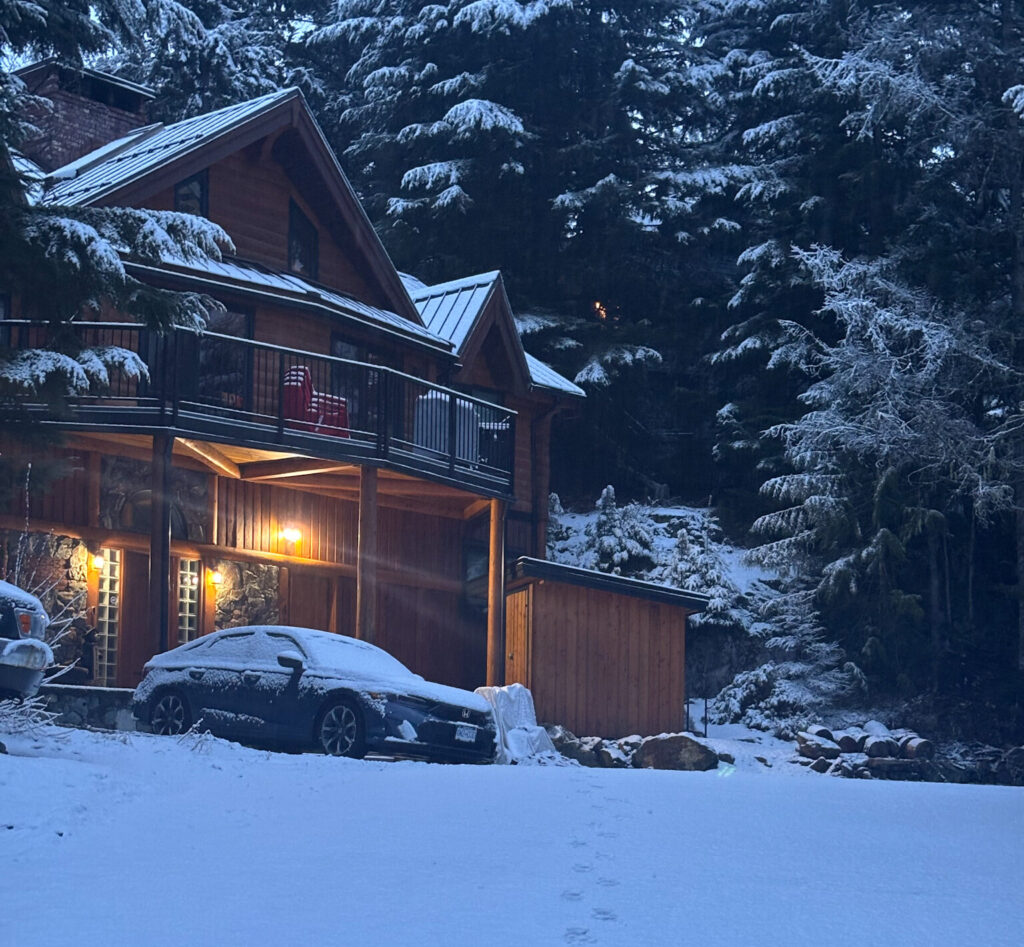
Still waiting to move into staff housing? Find a hotel in Whistler for your first few nights with Booking.com.
Working in Whistler
The demand for jobs in Whistler is as high as ever, so this is another place where you need to get in EARLY. I would suggest to start looking and applying for jobs as early as July/August (especially if you are wanting to work for the mountain), and just apply for anything you think you can do. I was searching for at least August & September and didn’t secure a job until the very end of September for a November start.
Expect most jobs to be starting in November/early December depending on the role you secure.
My Job at the Delta Whistler Village Suites
I worked as a Guest Experience Agent in the front office team at the Delta and had an incredible 6 months in this team. I worked my way up and eventually became a departmental trainer.
The Delta Whistler sits under the Marriott brand so is a great company to work for especially if you are looking for a career. The winter season was often quite busy, particularly the festive season there was almost always as many check outs as there were check ins, so you were guaranteed the shift would go by fast!
The shifts varied from an open (6.45-3.15) a mid shift to help cover the rush (often 10-6.30) and an evening shift (2.45-11.15). We also operated the front desk 24 hours so had a night team as well which were usually 11.00-7.00. The schedule allowed for a great work-life balance so you had plenty of time to explore and enjoy laps up the mountain (especially if you worked evening shifts!
🎟️ Perks of working for the Marriott Brand: Discounts worldwide with Marriott hotels, a wellness allowance to go towards things like your ski pass (most people chose this), gym expenses, studies or retirement. Access to hotel facilities such as the pool, gym and sauna free of charge.
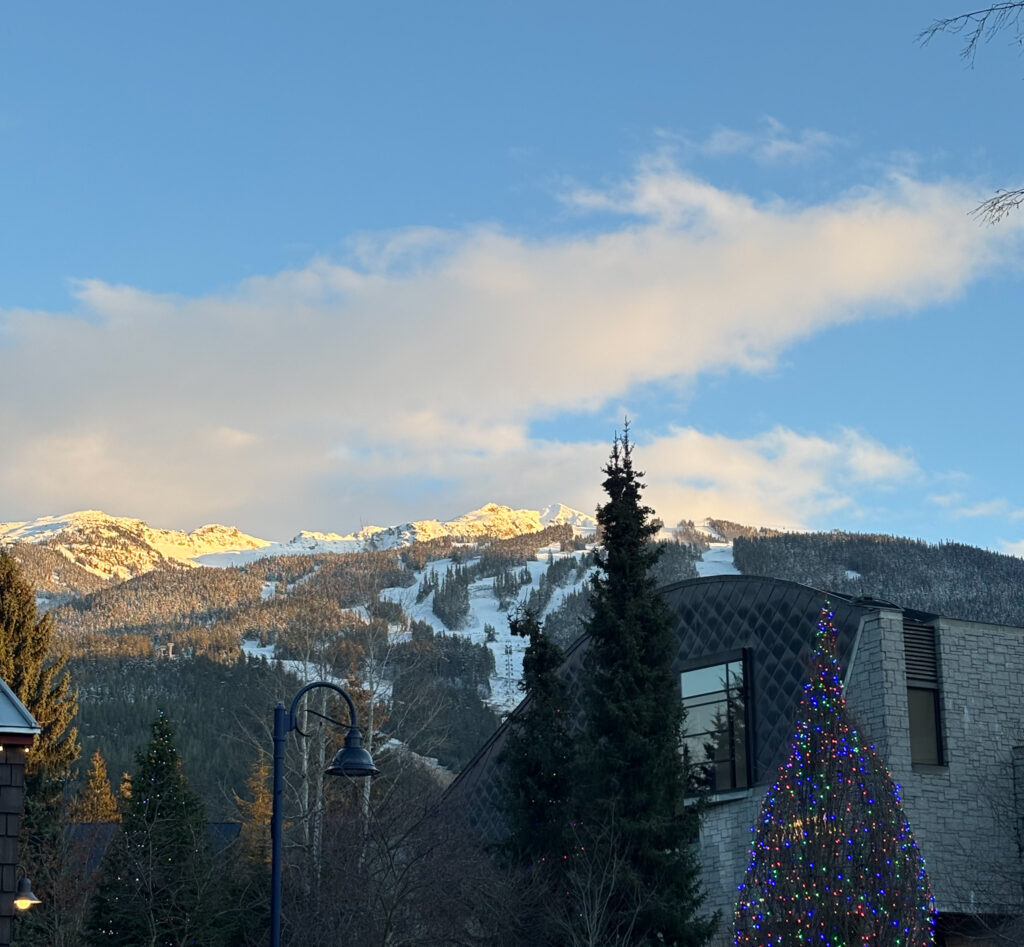
What Does It Cost to Live in Whistler?
While Whistler isn’t a cheap place to live, I found it manageable thanks to staff housing.
Approximate monthly costs during my season were:
- Staff accommodation: around $800-900 CAD (depends on employer)
- Groceries: $400-600 CAD
- Bus pass: discounted to $220 CAD for 6 months with a Whistler Spirit Pass
- Eating out: expect to pay $20-35 CAD for a casual meal.
- Whistler Blackcomb season pass: around $1,579 full price, but either partially or fully covered by work (depending on employer)
Living costs can vary depending on your lifestyle, but budgeting before you arrive will make settling in much easier.
Eating in Whistler
Groceries
There are two main grocery stores in the village itself: Fresh Street Market being the larger shop with more range and options, or The Whistler Grocery Store which was a bit smaller and ideal for top up shops. There is also a Nesters and Creekside Market on opposite ends of towns for those living a little in the outskirts of Whistler.
Groceries are definitely more expensive than in larger Canadian cities, simply because of Whistler’s location. I found ordering hellofresh or chefs plate meal boxes were often cheaper than groceries, while saving eating out for days off or when friends were visiting.
Restaurants
The village has everything from quick takeaway spots to fine dining, meaning there’s something for every budget. Whether you’re craving authentic Canadian poutine after a day on the mountain or celebrating with friends over dinner, you’ll never run out of places to try.
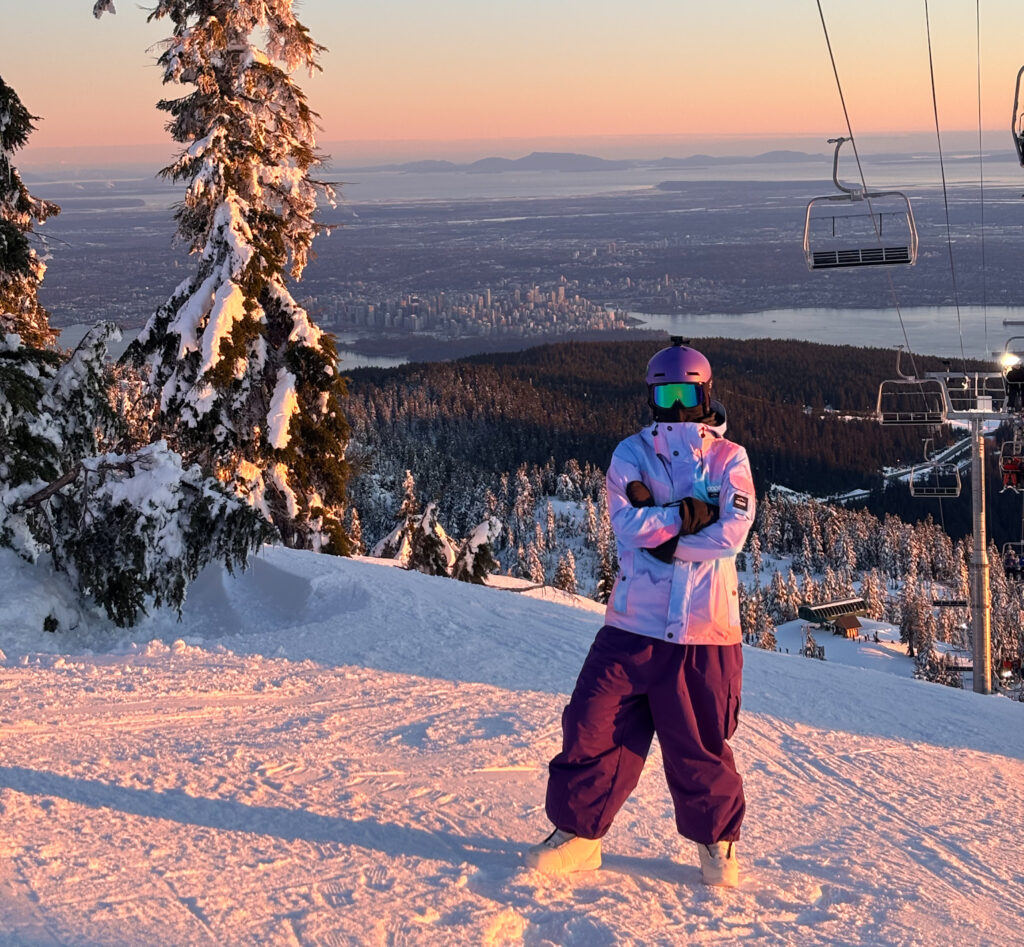
Getting Around Whistler
One of my favourite things about living in Whistler was how little I actually needed a car. The village is incredibly walkable, and there are paved walking and cycling trails connecting many neighbourhoods.
BC Transit buses run regularly throughout Whistler, connecting places like Creekside, Bayshores, Alpine, Emerald and Function Junction with the village. They’re reliable, affordable and easy to use, especially with a Whistler Spirit Pass.
Unless you’re planning on exploring beyond Whistler regularly, I’d say you can comfortably live here without your own vehicle.
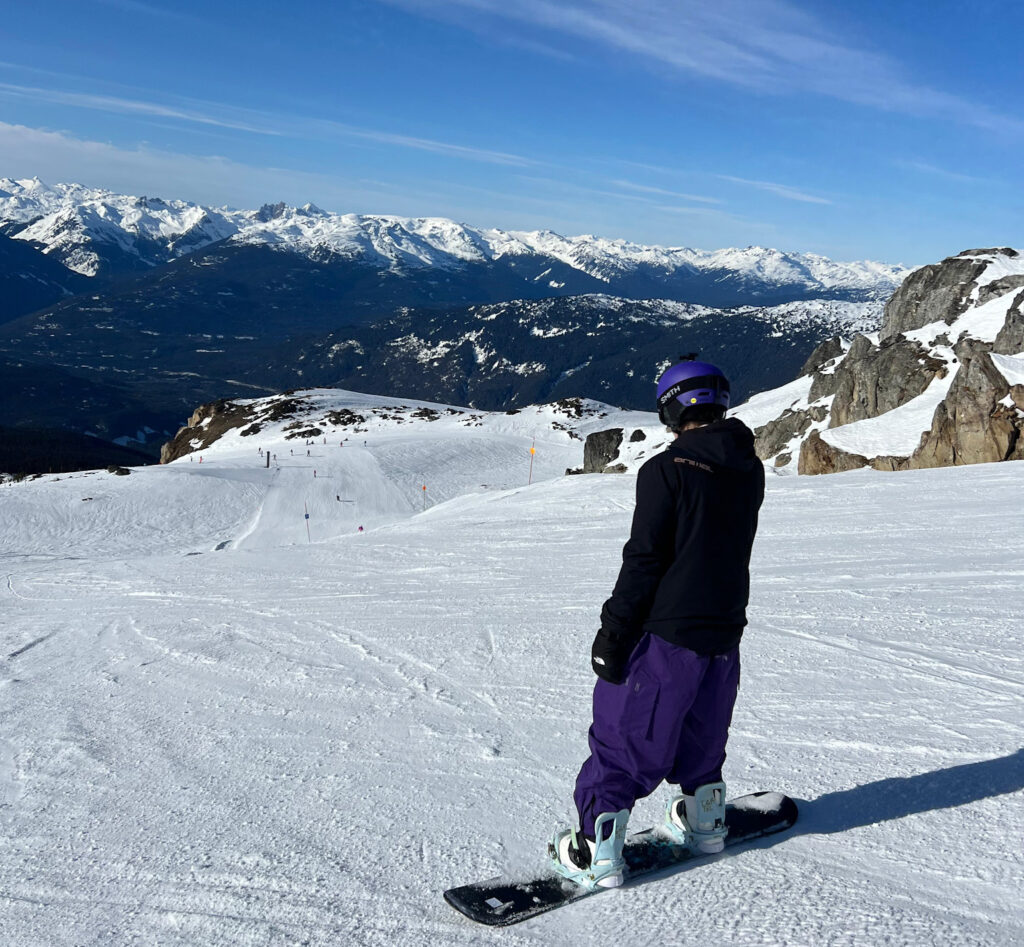
What I Loved Most About Living in Whistler
It wasn’t just the mountain that made Whistler special – it was the lifestyle.
Some of my favourite memories include:
- Learning to snowboard after only ever skiing.
- Watching fresh snow fall most days.
- Meeting people from all over the world.
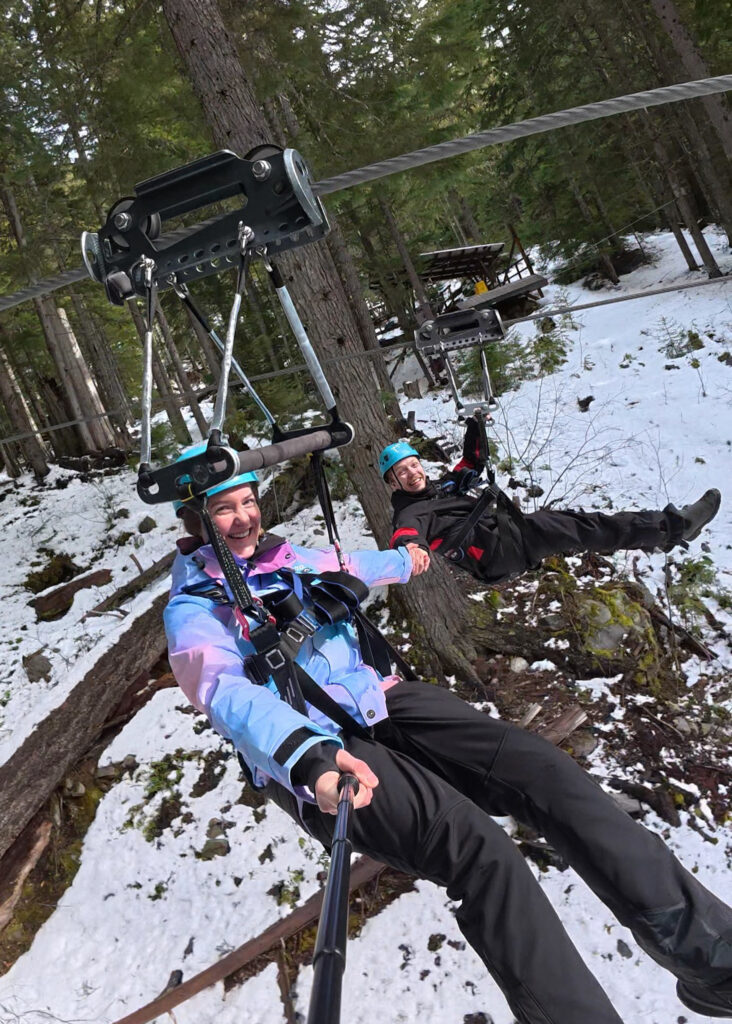
- Experiencing the multitude of activities Whistler had on offer (not just the ski hills)
- Heading up the mountain in the morning before working an evening shift.
- Living with housemates who quickly became close friends.
Whistler has a way of making everyday life feel like an adventure, and that’s something I’ll always remember.
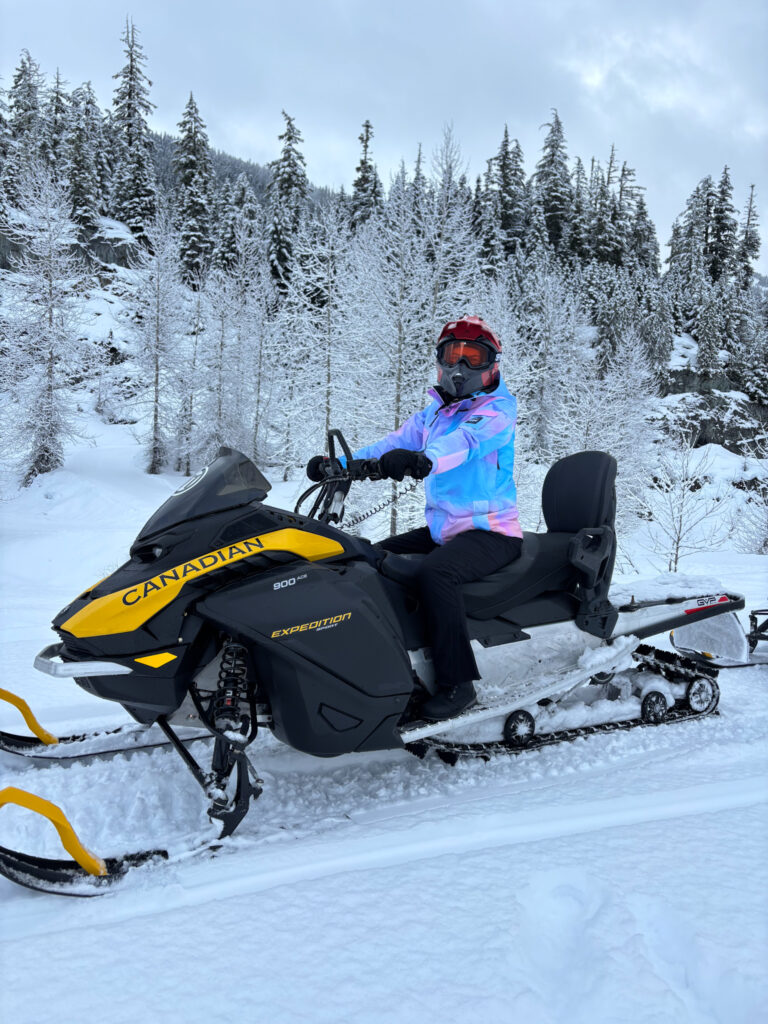
Some of my favourite activities in Whistler

A Few Things to Know Before Moving to Whistler
As much as I loved living in Whistler, it’s worth knowing that no place is perfect. If you’re planning to move here, these are a few things I’d prepare for:
- Housing is competitive. If your employer offers staff accommodation, take it. If not, start your search as early as possible because rentals disappear quickly.
- The cost of living is high. Groceries, rent and eating out all cost more than in many other parts of Canada, so having some savings before you arrive is a huge help.
- The village gets busy. During Christmas, New Year and peak ski season, Whistler can feel packed with visitors. It creates an incredible atmosphere, but it also means longer waits and busier shifts if you work in hospitality.
- Balancing work and mountain life can be tiring. It can be tempting to snowboard every day before or after work, but remember to give yourself time to rest too!
None of these things took away from my experience – in fact, they’re all part of what makes living in Whistler unique. Going in with realistic expectations simply means you’ll be better prepared to enjoy everything the town has to offer.
Final Thoughts on Living in Whistler
I originally came to Whistler because I wanted one more ski season before leaving Canada. I never expected it to become one of my favourite places in the world.
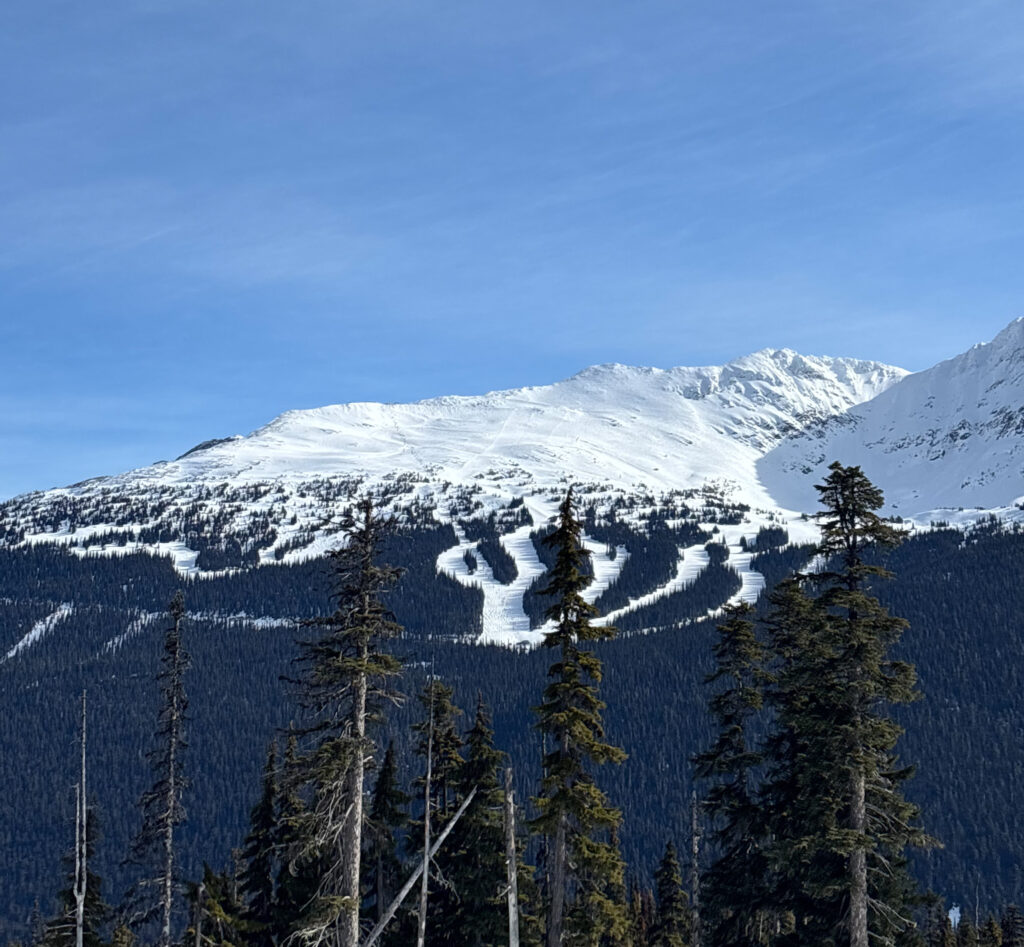
Somewhere between learning to snowboard, making lifelong friends, working with an incredible team, and spending every day surrounded by mountains, Whistler became so much more than just another destination. It became home.
If you’re thinking about spending a season here, my advice is simple – go for it. It won’t always be easy, but it’ll almost certainly be one of the most memorable experiences you’ll ever have.
And if there’s anything I haven’t covered, leave a comment below. I could talk about Whistler all day!
This post contains affiliate links, which means I may earn a small commission if you book through them, at no extra cost to you. I only recommend what I trust or use myself.